

Risks of Replicating Luxury Goods: A Closer Look
2025-05-13 17:59:42 浏览量:36
Risks of Replicating Luxury Goods: A Closer Look,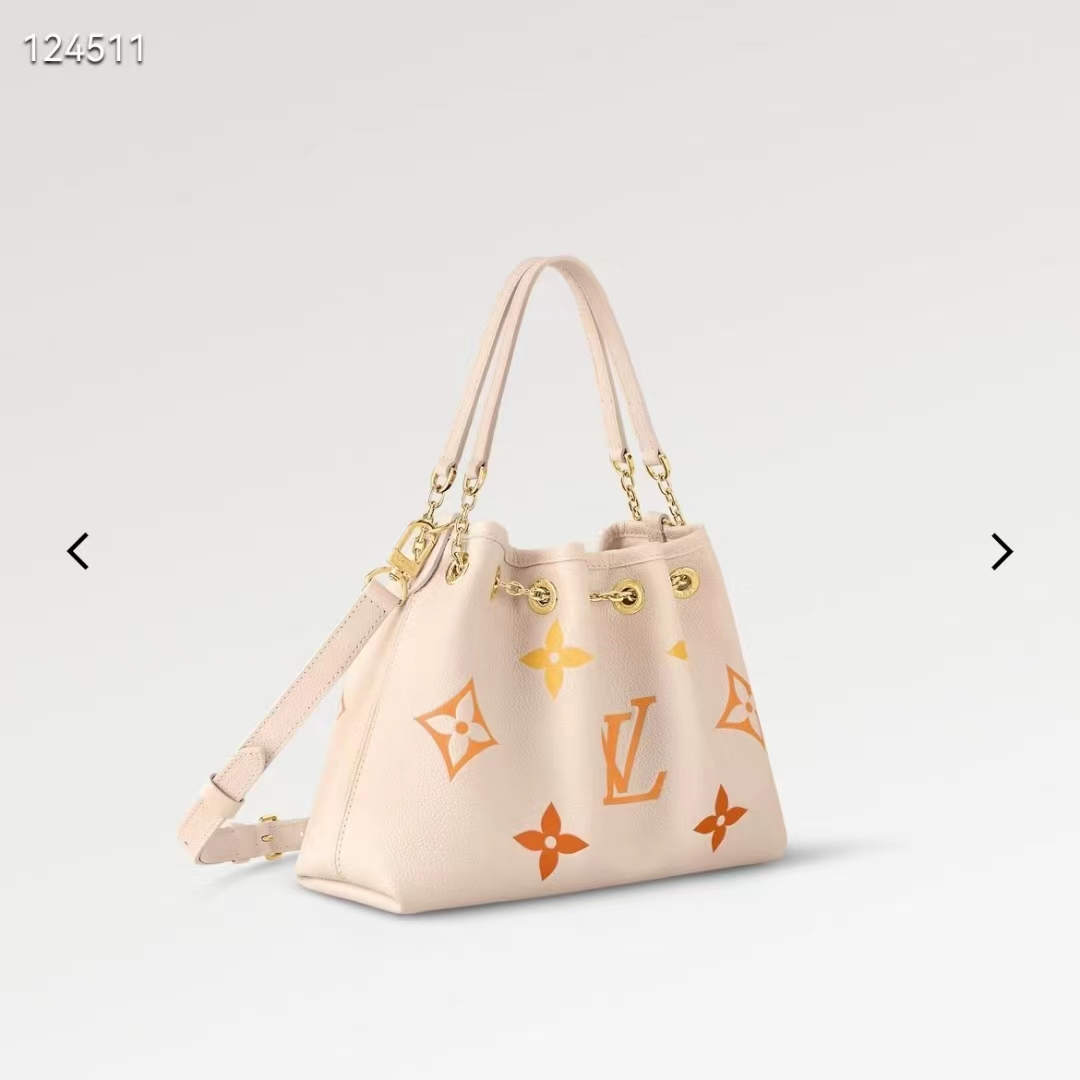
Risks Surrounding the Replication of Luxury Goods
Introduction
In the realm of consumer culture, the replication of luxury goods has become a widespread phenomenon. Despite the attraction of low-cost alternatives to genuine luxury items, such replicas carry significant risks that are often overlooked by potential buyers. This article will explore the potential risks associated with the replication of luxury goods.Firstly, the quality of replicated luxury goods is often inferior to the original. While they may be designed to mimic the appearance of genuine luxury items, replicas often lack the same level of craftsmanship and attention to detail. This can result in decreased durability and performance, which can be frustrating for consumers who expect luxury products to last longer and perform better.
Secondly, buying replicated luxury goods can lead to legal risks. Many luxury brands have strict intellectual property and trademark laws that protect their designs and logos. Purchasing replicas may infringe on these legal rights, potentially leading to legal issues and even financial losses for the buyer. Furthermore, buying from unauthorized sources may expose consumers to scams and fraud.
Social and Ethical Risks
In addition to the aforementioned risks, the replication of luxury goods also carries social and ethical implications. Supporting the replica industry may encourage unethical behavior, such as the exploitation of workers in low-wage countries. Furthermore, the proliferation of replicas in the market can impact the reputation of genuine luxury brands, potentially affecting their image, value, and sales.
Moreover, buying replicated luxury goods may lead to a false sense of status or belonging. As society often associates certain luxury brands with status and success, purchasing replicas may not reflect genuine taste or values. This can result in a distorted perception of oneself and potentially lead to issues with self-identity.
Conclusion
In conclusion, while replicated luxury goods offer a cost-effective alternative to genuine luxury items, they come with significant risks that should not be overlooked. From quality issues to legal risks and social ethical implications, the decision to purchase replicas must be made with caution. It is important for consumers to understand that while saving money may be appealing, opting for genuine luxury goods can often offer better value in terms of quality, durability, and social reputation. Moreover, it is crucial to support ethical production practices and avoid supporting companies that may engage in unethical behavior.
- [04-03] "LV Men's Belt Luxury Brand - 1:1 Replica Collection"
- [04-03] Luxury Fake Goods: Source of High Quality 1:1 Replica Merchandise
- [04-03] Luxury Decor Accessories 1:1 Authentic Supply Source
- [04-03] Luxury Baseball Caps: 1:1 Replica with Unparalleled Quality
- [04-03] Luxury Eyewear Frames Replicas - 1:1 Proportion Reproduction
- [04-03] "One-to-One High-End Replica Luxury Goods in Shenzhen"
- [04-03] High-Quality 1:1 Replica Luxury Wallets: The Ultimate Guide
- [04-03] Title: Guangzhou 1:1 Luxury Goods Wholesale Shop 这个标题简洁明了地描述了广州的这家奢侈品进货店,使用了关键词“广州”、“一比一”和“奢侈品进货店”,同时保持了英文表述的流畅性和字符长度的控制。